At the Edge of the Unknown
I was the kid who preferred cardboard boxes over toys. They were blank slates—worlds waiting to be built. I spent hours constructing makeshift bridges over creeks with branches and mud. They weren’t structurally sound, but that never mattered. The joy was in the making. Eventually you think, I want to make something amazing—and then you learn that making something amazing is harder than it looks. That was my first lesson in creativity, and I’ve been re-learning it happily ever since.
Building, Failing, and Learning
I’ve always been drawn to the intersection of creativity and technology—the space where ideas become tangible. It’s what led me to launch Annamika, Hado Labs, and StyleBoard. Not all of them worked, and that’s where I learned that ideas are easy—execution is everything. Agency work for Starbucks, Target, and Walgreens taught me structure; freelancing with artists and small businesses taught me to work without it. Between the two, I figured out what actually makes design succeed: not trends, not aesthetics, but how it makes people feel.
From Designer to Educator
Teaching digital product design and UX at Cornish College of the Arts distilled all of that. The hardest part of creativity isn’t coming up with ideas; it’s closing the gap between vision and execution—the space Ira Glass describes, where your taste outpaces your ability. The only way through is practice. That’s what I taught: not just how to make things look good, but how to make them work beautifully.
Big Systems, Simple Answers
At Expedia, what began as a white paper became a priority—a five-person idea that grew into a department of over a hundred, consolidating twenty brands onto three platforms. Big organizations taught me that a good idea has to be sellable, scalable, and strategically aligned—and that genius is simplicity. The hardest things to measure—delight, ease, flow—are usually the ones that matter most.
An Experiment in AI-Native Design
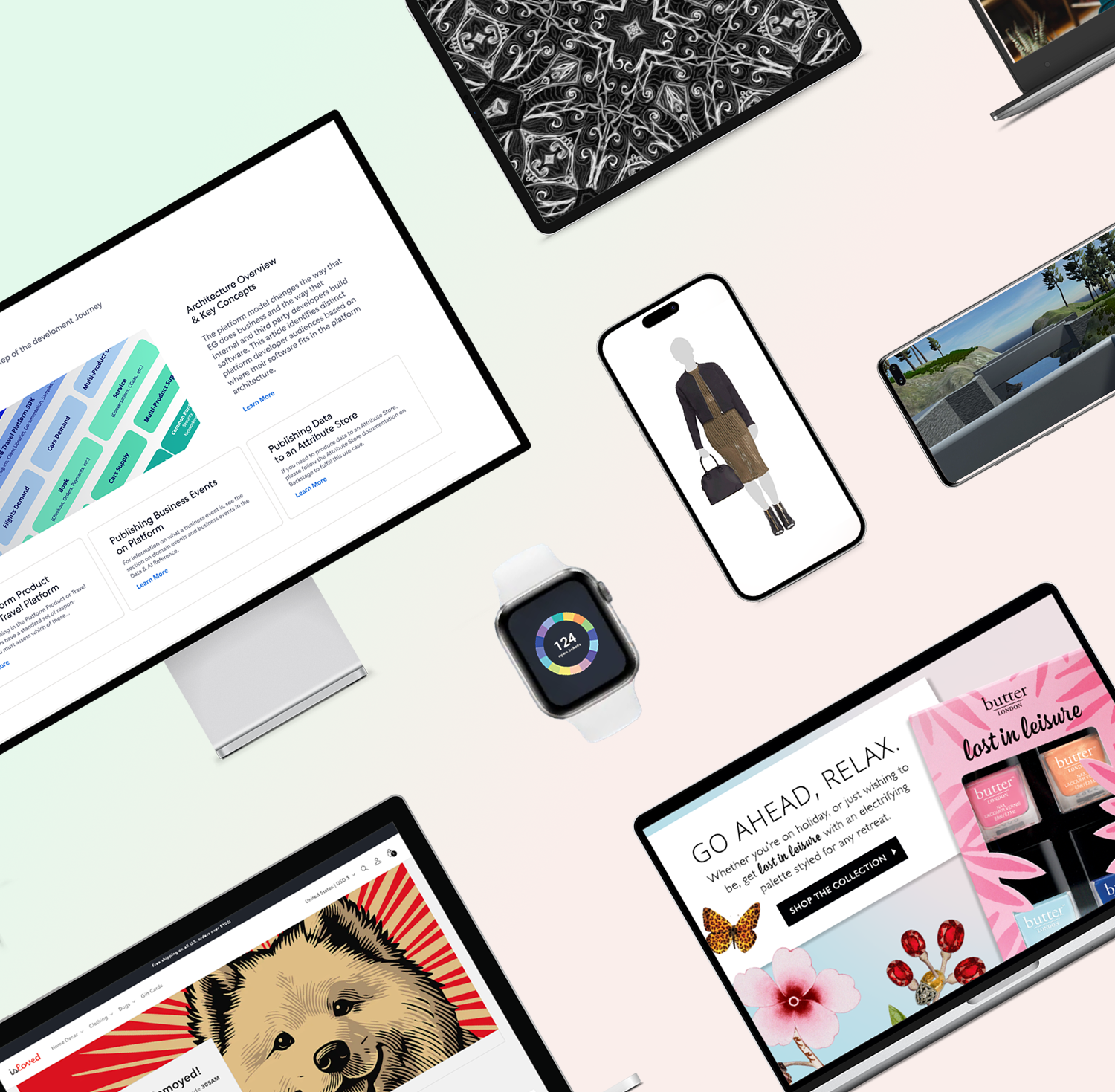
I don’t see AI as a replacement for creativity—it’s an accelerator. I built IsLoved and its studio from zero to one as a working experiment in AI-native design: brand, eCommerce, product design, image-making, and interactive tools. I use AI across the whole workflow, from exploration and production to designs I can push into working code. A hundred original designs, thirteen thousand SKUs, no inventory, no overhead—proof that one designer with the right tools can move like a team.
Now: PayPal
Today I design future-state commerce experiences for PayPal’s highest-value enterprise merchants—turning ambiguous opportunities into high-fidelity, merchant-branded prototypes and short videos that pitch experience visions to partners, while building reusable patterns that help the work scale. The edge of the unknown is still my favorite place to work. It’s why I travel solo, and why design, business, and life keep coming down to the same thing: distilling complexity into clarity—and choosing problems worth solving.