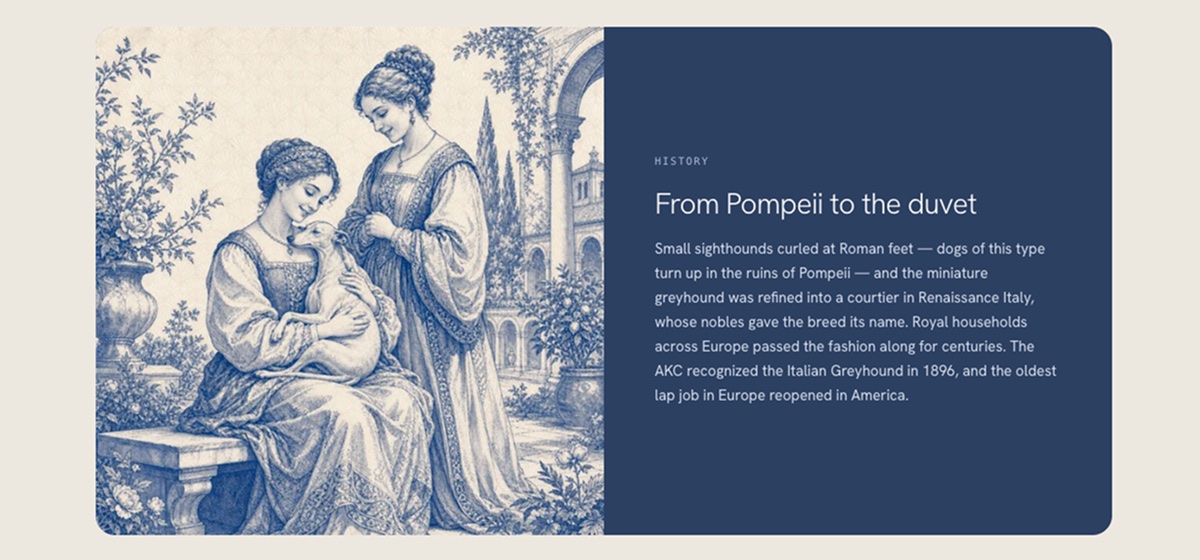
Two years ago, I started an online shop. What I was really trying to build was a way to make more art.
I’d spent much of my career designing products and experiences for other people. I wanted to see what would happen if I applied those same skills to something entirely my own. And with generative AI opening up new possibilities, I was curious about what one designer could accomplish with tools that once required an entire creative team.
I called the experiment IsLoved.shop.
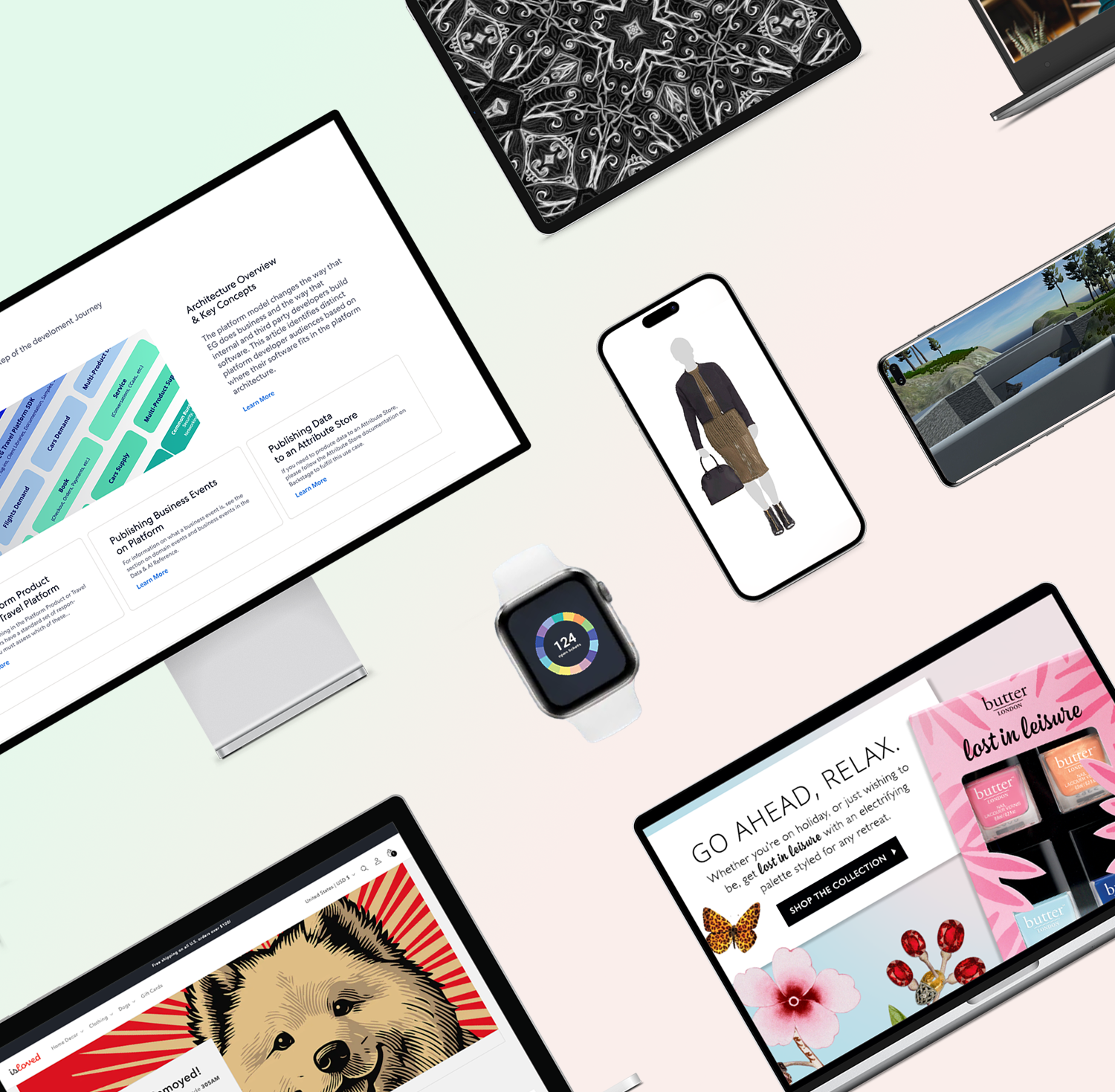
I built the first version in 100 days. A Shopify storefront, hundreds of original designs, thousands of product variations, and a collection of experiments in generative AI, automation, and print-on-demand production.
It was fascinating, occasionally frustrating, and a remarkable education in what happens when you become responsible for every part of a business.
I also discovered that making things was considerably easier than finding an audience for them. Automation could help me produce thousands of products, but it couldn’t tell me which ones were worth making.
And perhaps that was the first important lesson. Just because you can make more doesn’t mean you should.
Eventually, I returned to full-time work, and IsLoved went on the shelf.
For about a year and a half, it waited.
In late July, I decided to begin again.
What started as a few improvements to the storefront quickly turned into another ambitious little sprint.
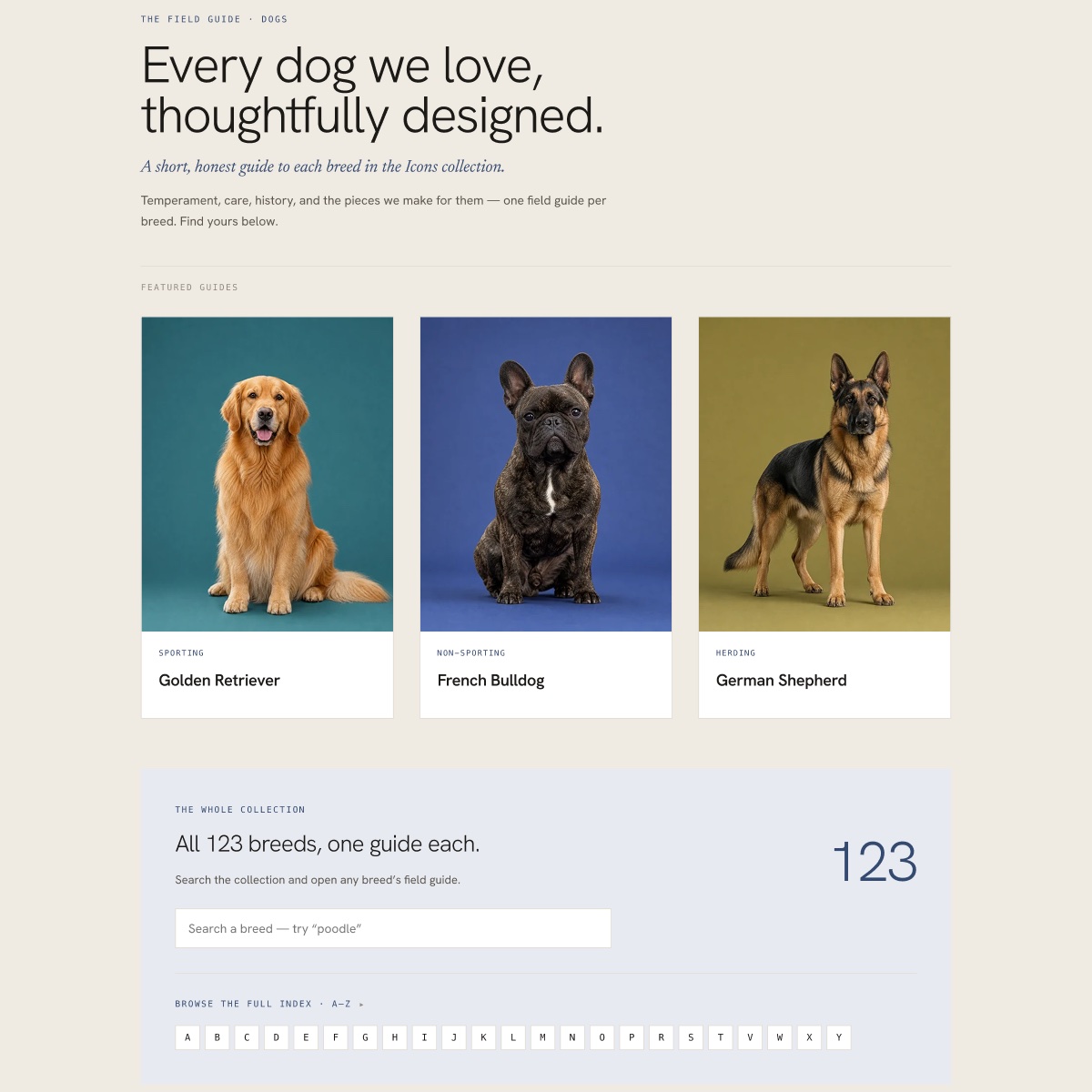
I redesigned the shopping experience, reorganized collections, refined the artwork, and began developing illustrated guides. I also revisited the creative production process, building more consistent pipelines for generating artwork, preparing product imagery, and managing an increasingly complex catalog.
The goal wasn’t simply to make more things faster. It was to make better things, with greater consistency and more intentional creative direction.
I wanted the shop to feel less like a catalog and more like a thoughtfully curated collection of art.
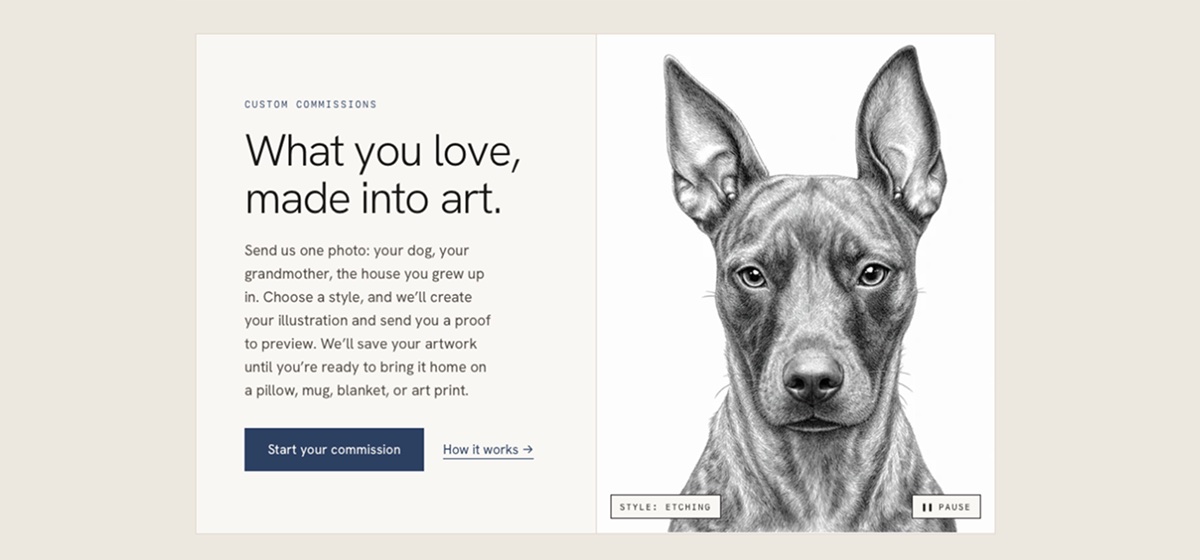
In just a couple of months, I also launched a custom commissions service, allowing customers to turn personal photographs into illustrations of the people, animals, and places they love.
But somewhere along the way, I began building something else entirely.
The more I worked with AI, the more I realized that generating content wasn’t the difficult part.
Keeping track of everything was.
Ideas lived in conversations. Inspiration was scattered across saved images and research. Projects existed in spreadsheets, design files, and code. There were creative decisions, technical problems, unfinished experiments, and an ever-expanding collection of things I wanted to explore.
I needed a better way to connect it all.
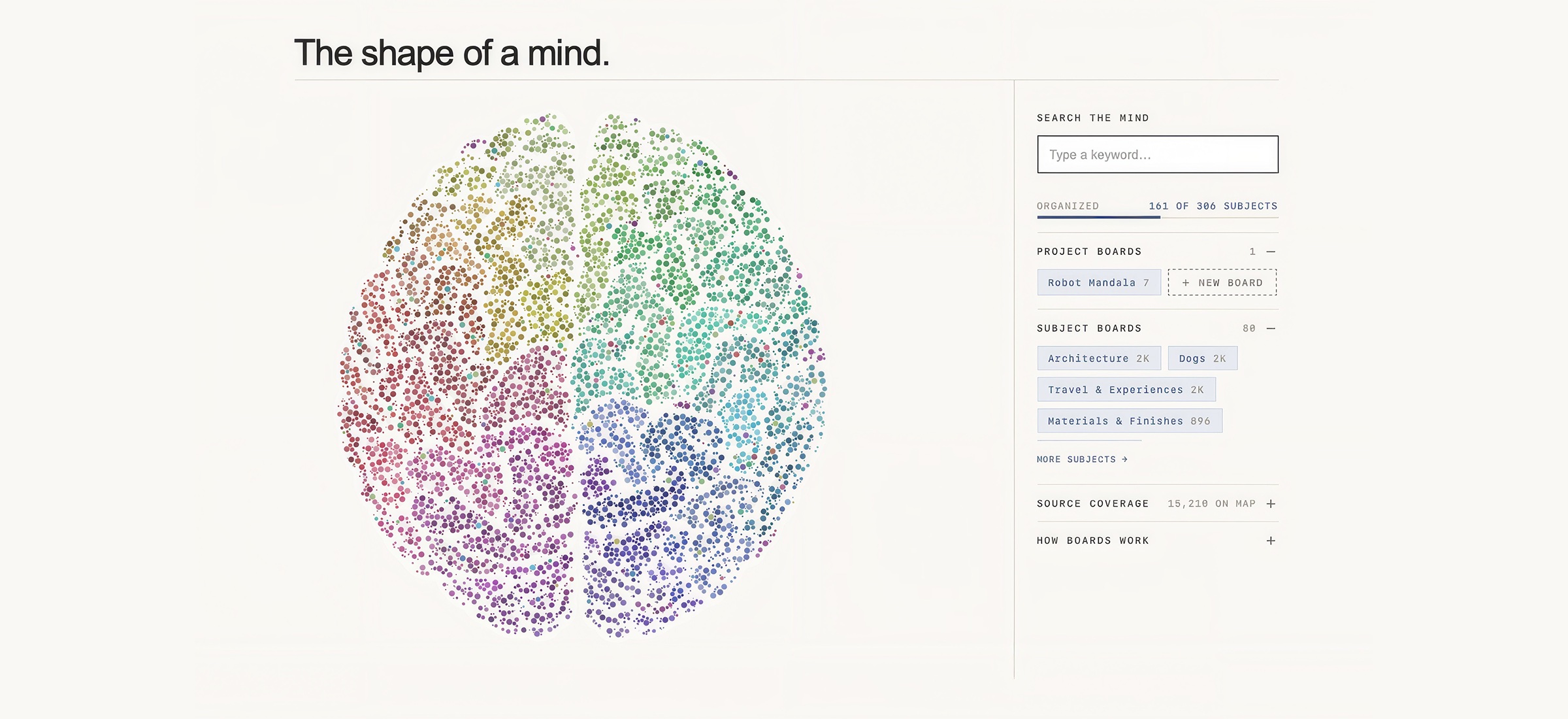
So I designed and built IsLoved Studio, a private platform that brings together creative production, product management, and software development.
Built with React, TypeScript, PHP, MySQL, and AI-assisted development tools, Studio is part creative workspace, part knowledge library, and part experiment in how one person might coordinate the work of an entire creative team.
It helps me organize projects, explore relationships between ideas, manage research and inspiration, and work with specialized AI-assisted workflows.
Some parts are fully functional. Others are still experiments. And that’s rather the point.
I’ve become increasingly interested in the systems surrounding creative work. How do you make generative art repeatable instead of lucky? How do you organize thousands of fragments of inspiration into something useful? How do you design workflows that preserve human judgment while taking advantage of automation?
These are fascinating design problems, and they’ve become an unexpected part of the IsLoved experiment.
Two years after launching IsLoved, I find myself thinking about a different kind of creative space.
Not a physical studio filled with paint, paper, and tools, although I’d still love one of those.
A digital studio. One that can help me explore ideas, develop artwork, build products, and manage the practical work that surrounds a creative practice.
Over the coming weeks, I’ll share a series of stories about the work behind IsLoved: the creative pipelines, the storefront redesign, the evolution of Studio, and some of the experiments that didn’t quite go according to plan.
I’m particularly interested in what happens when AI expands our capacity to create. When execution becomes easier, does creative direction become more important? How do we decide what deserves to exist?
I don’t have all the answers. I’m still learning, experimenting, and occasionally rebuilding things I thought I’d already finished.
But two years in, something has become clearer.
I didn’t set out to build an AI platform or an eCommerce business.
I set out to make more art.
And that’s still the point.